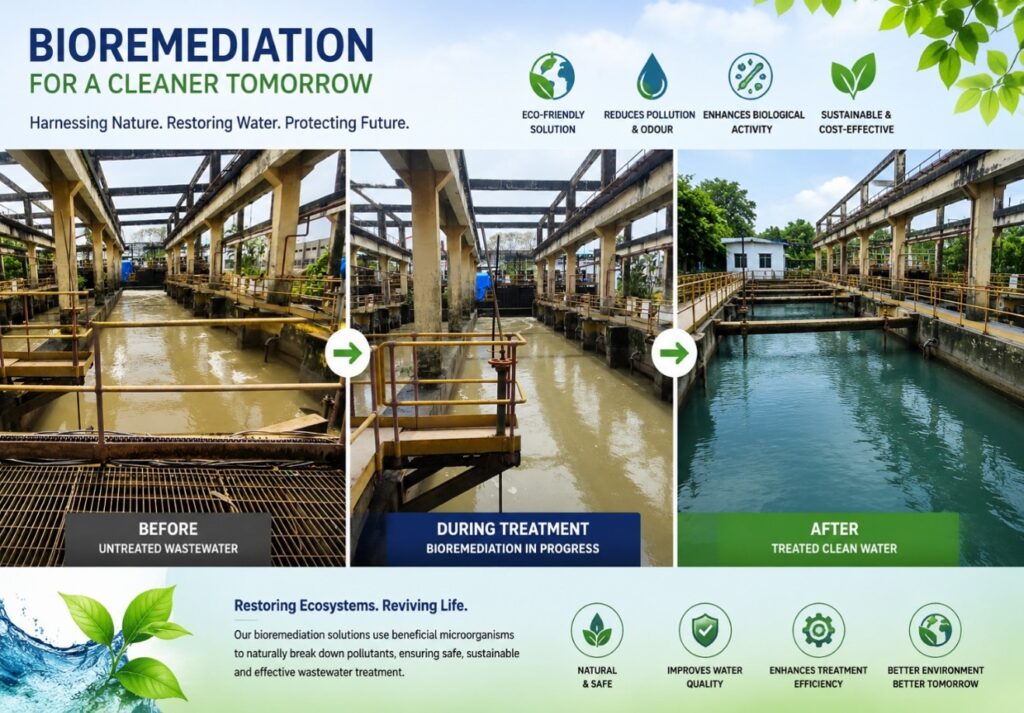
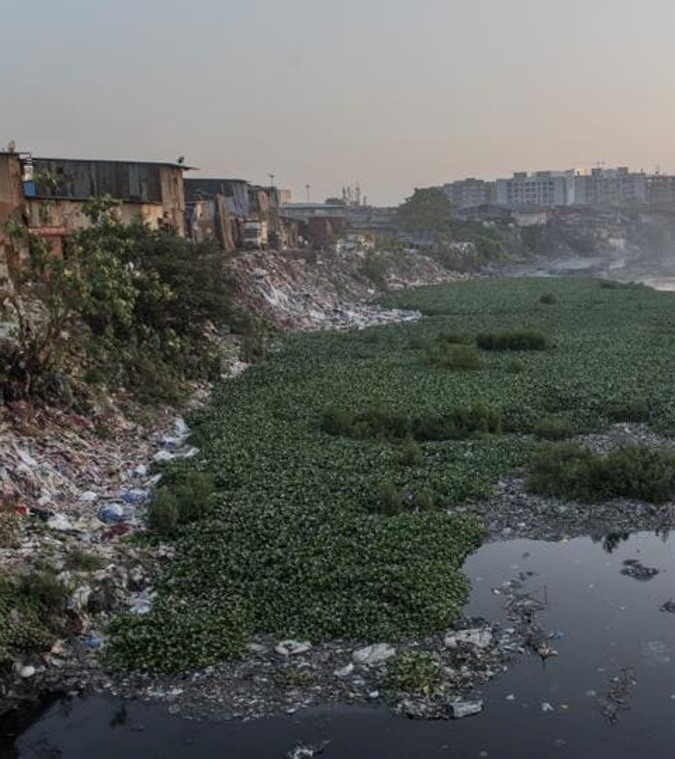
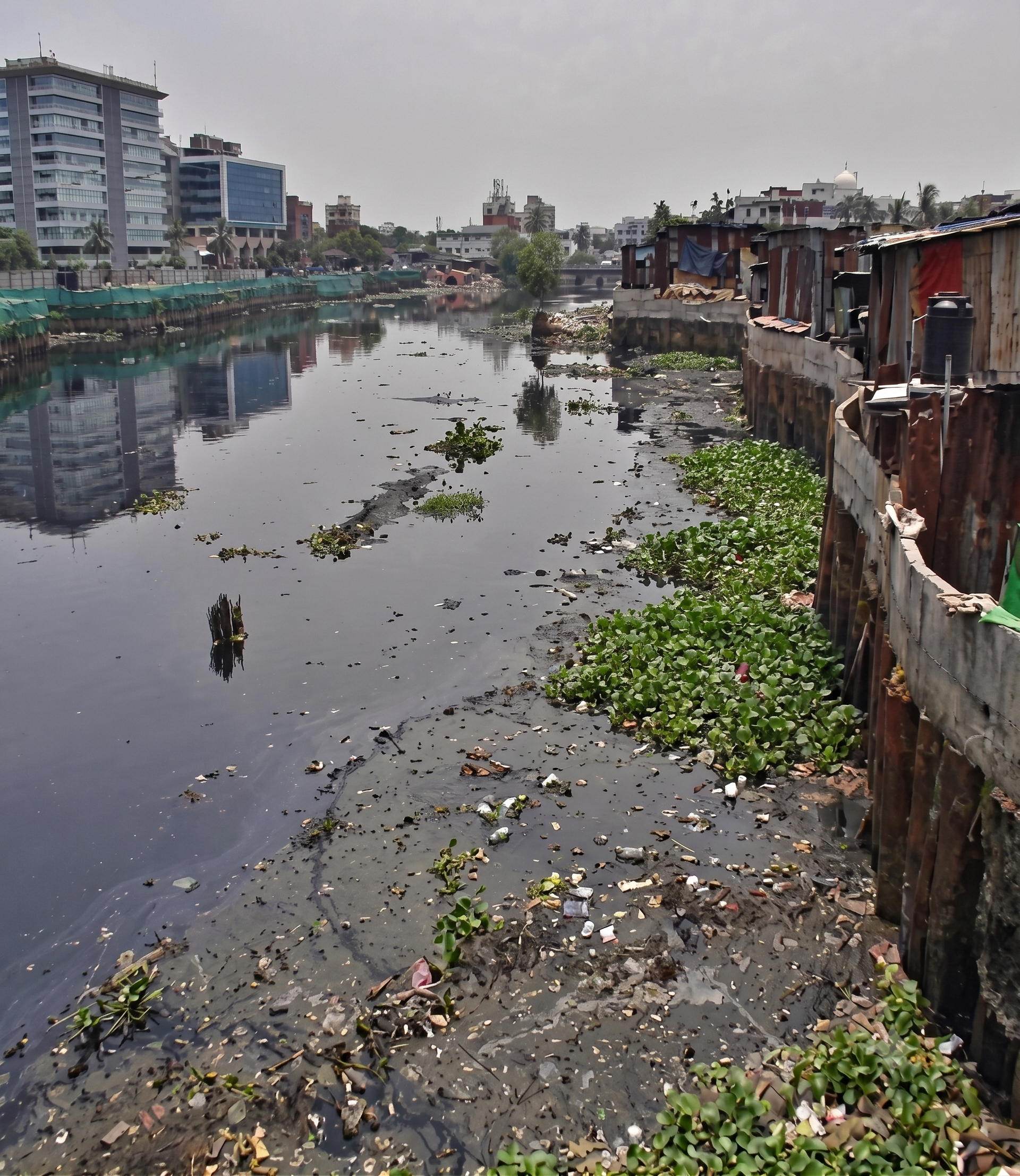
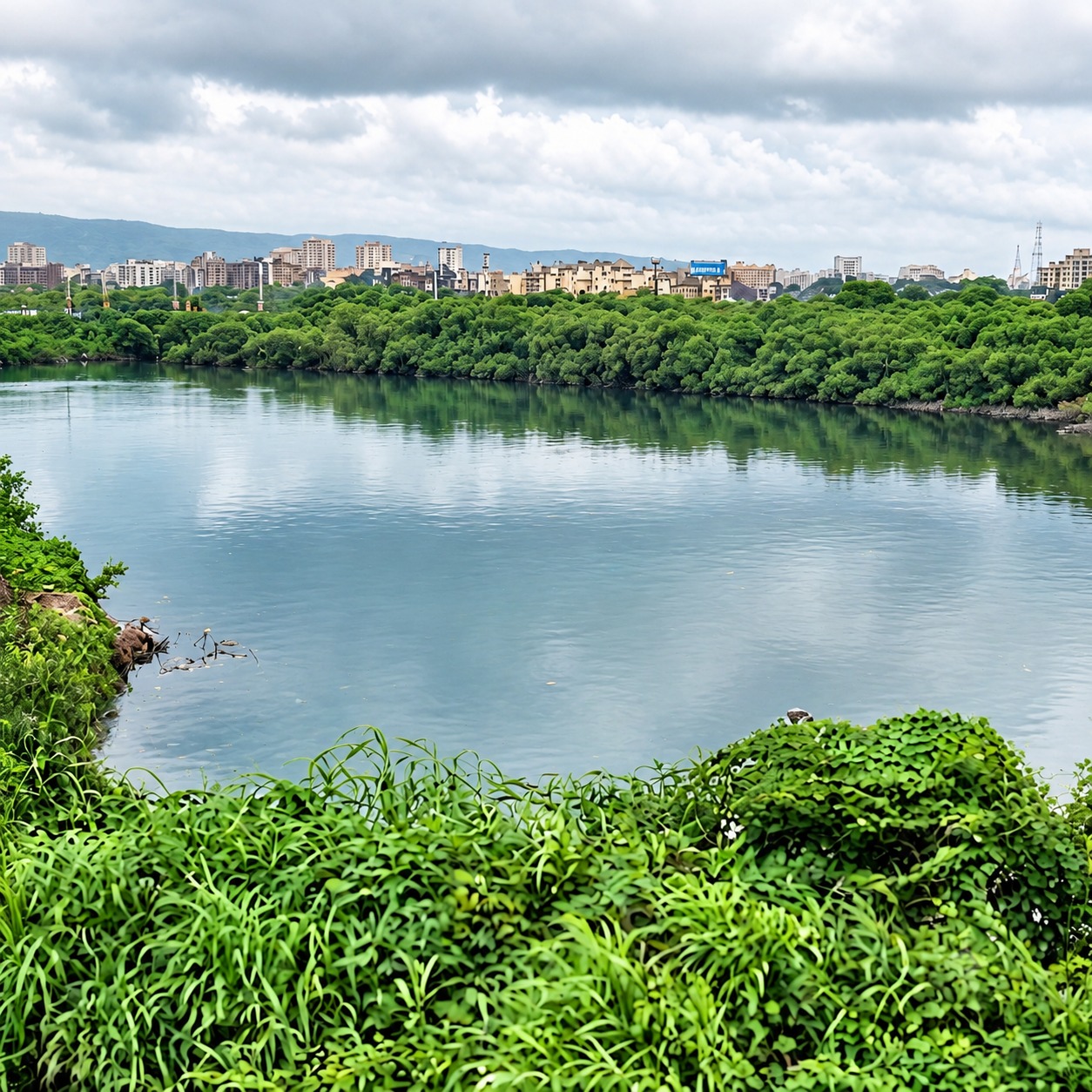
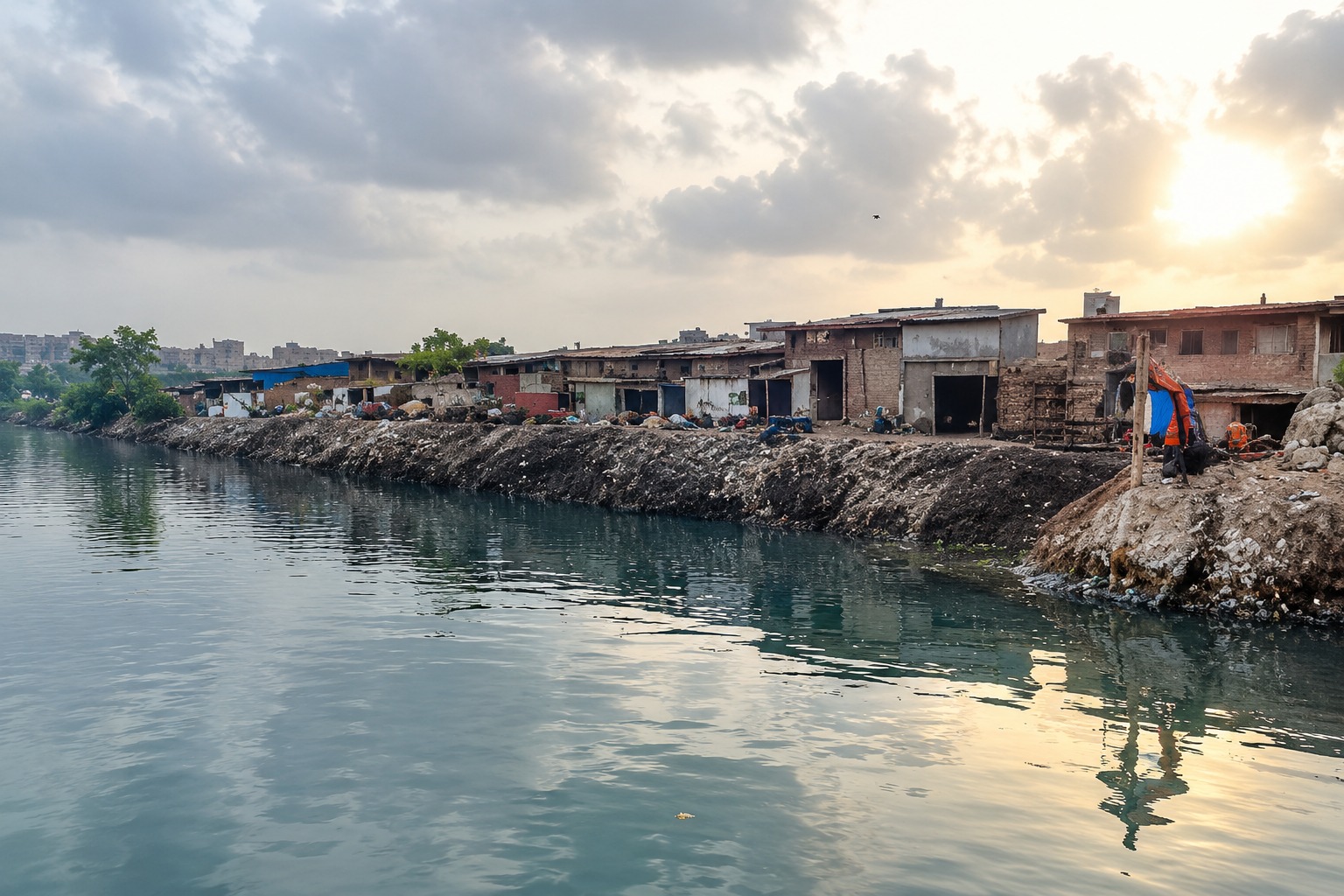
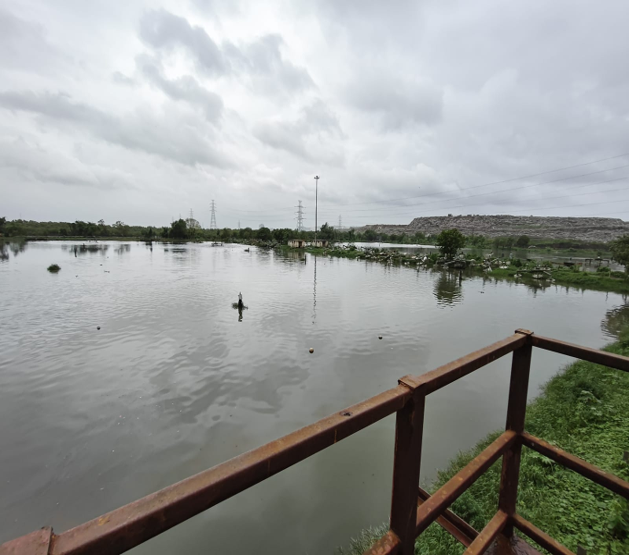
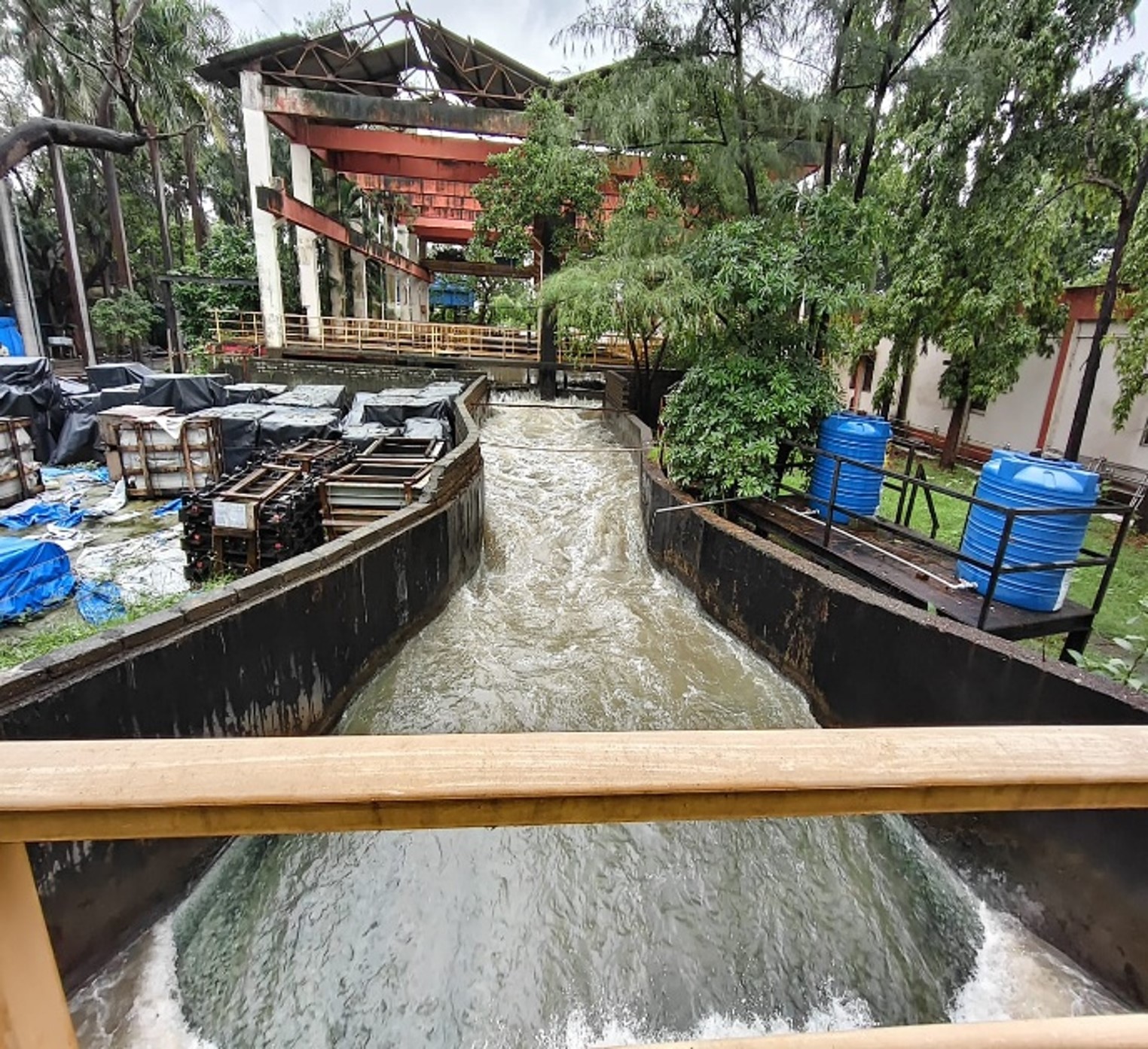
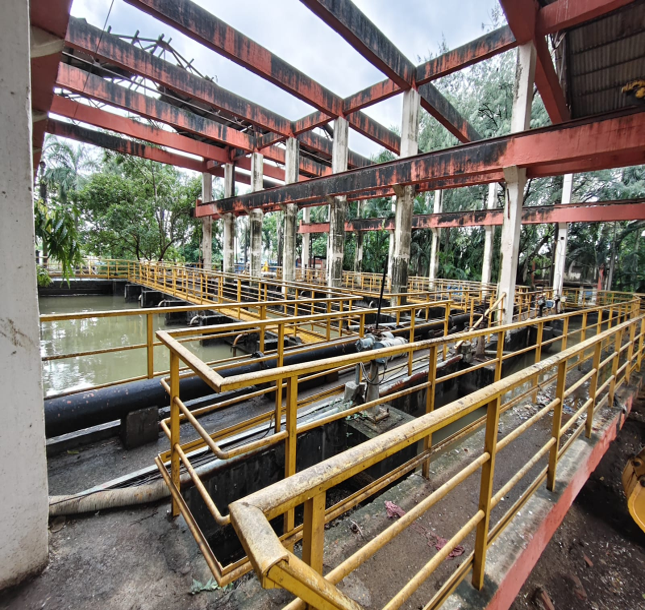
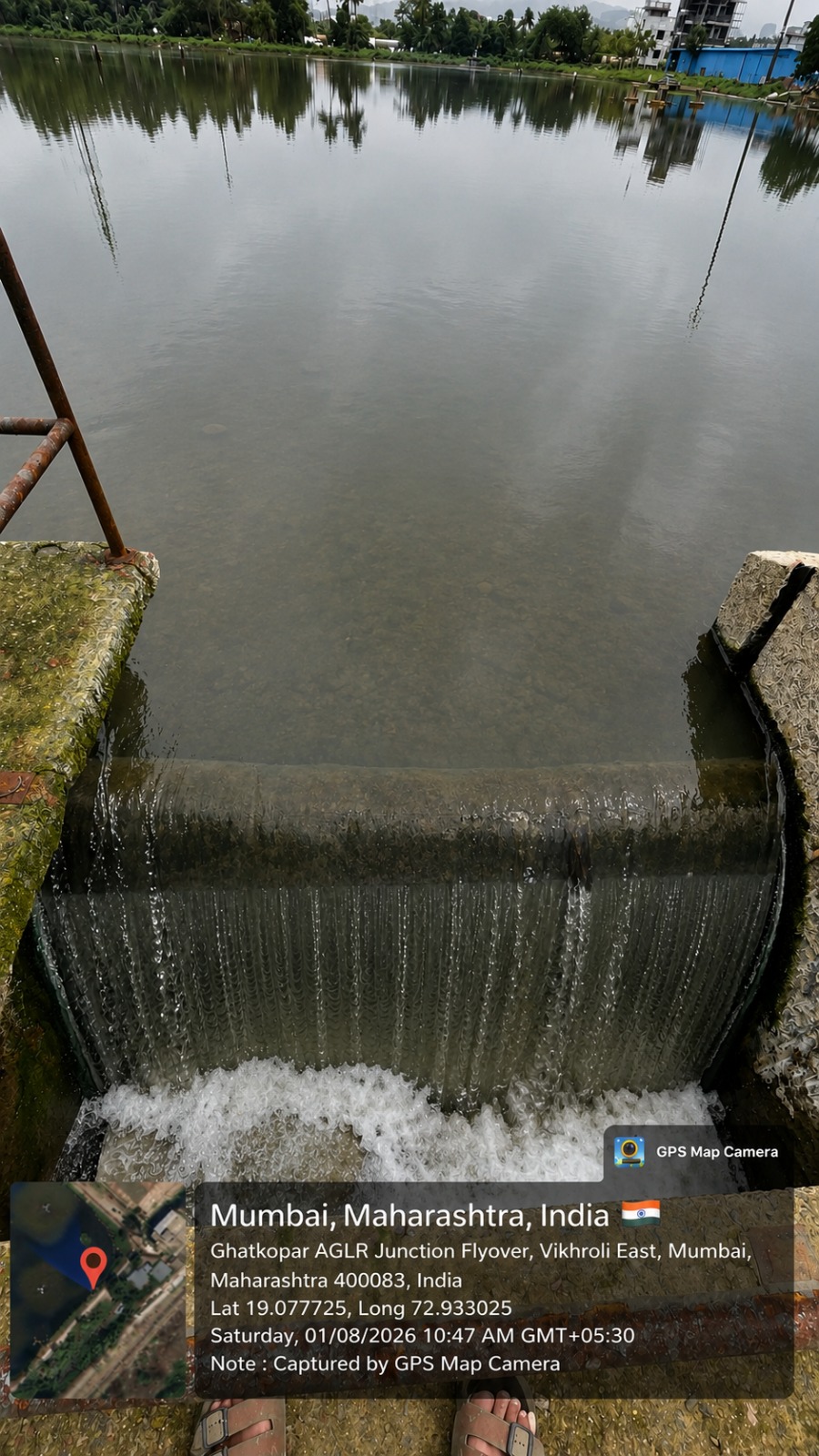
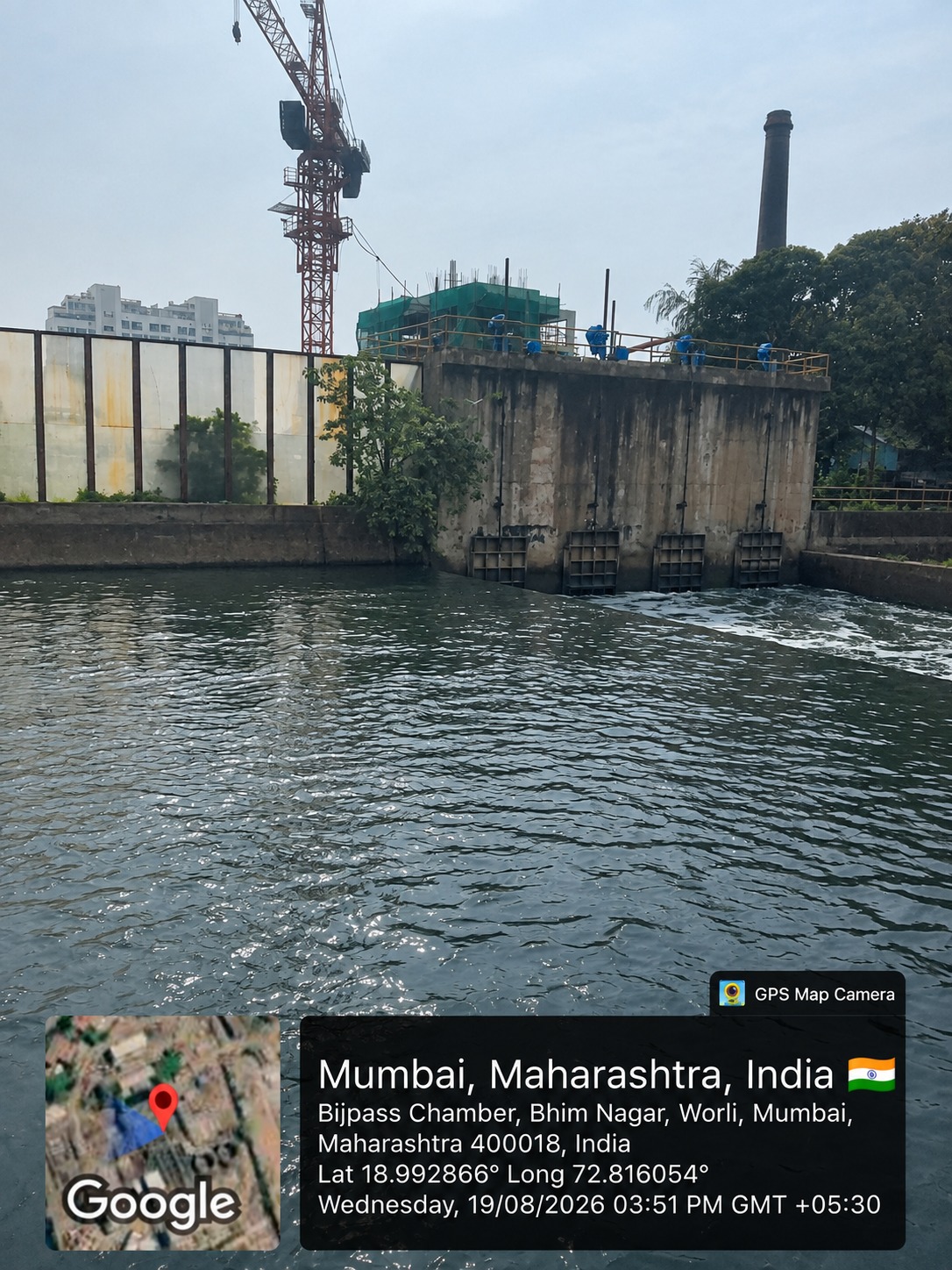
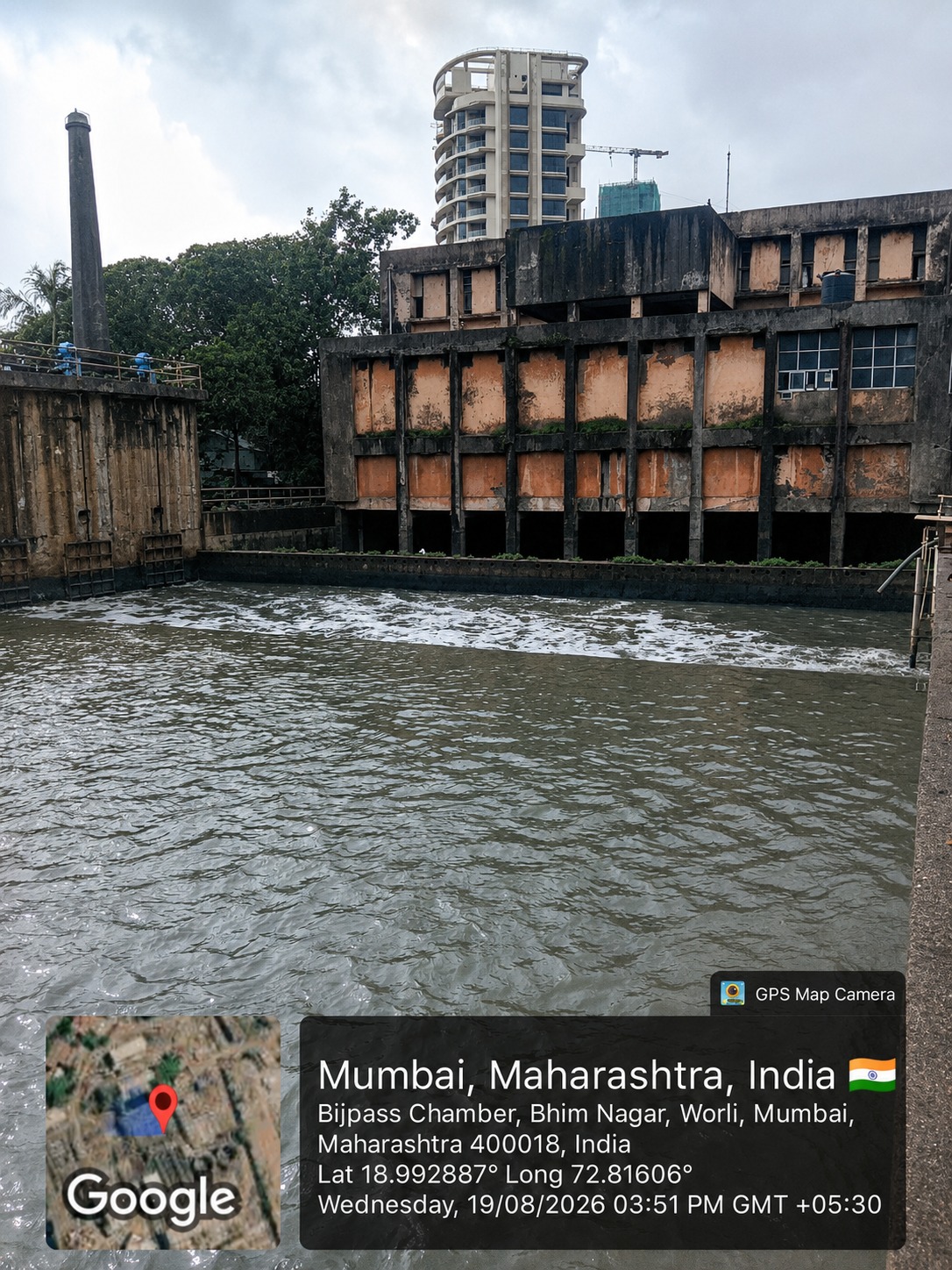
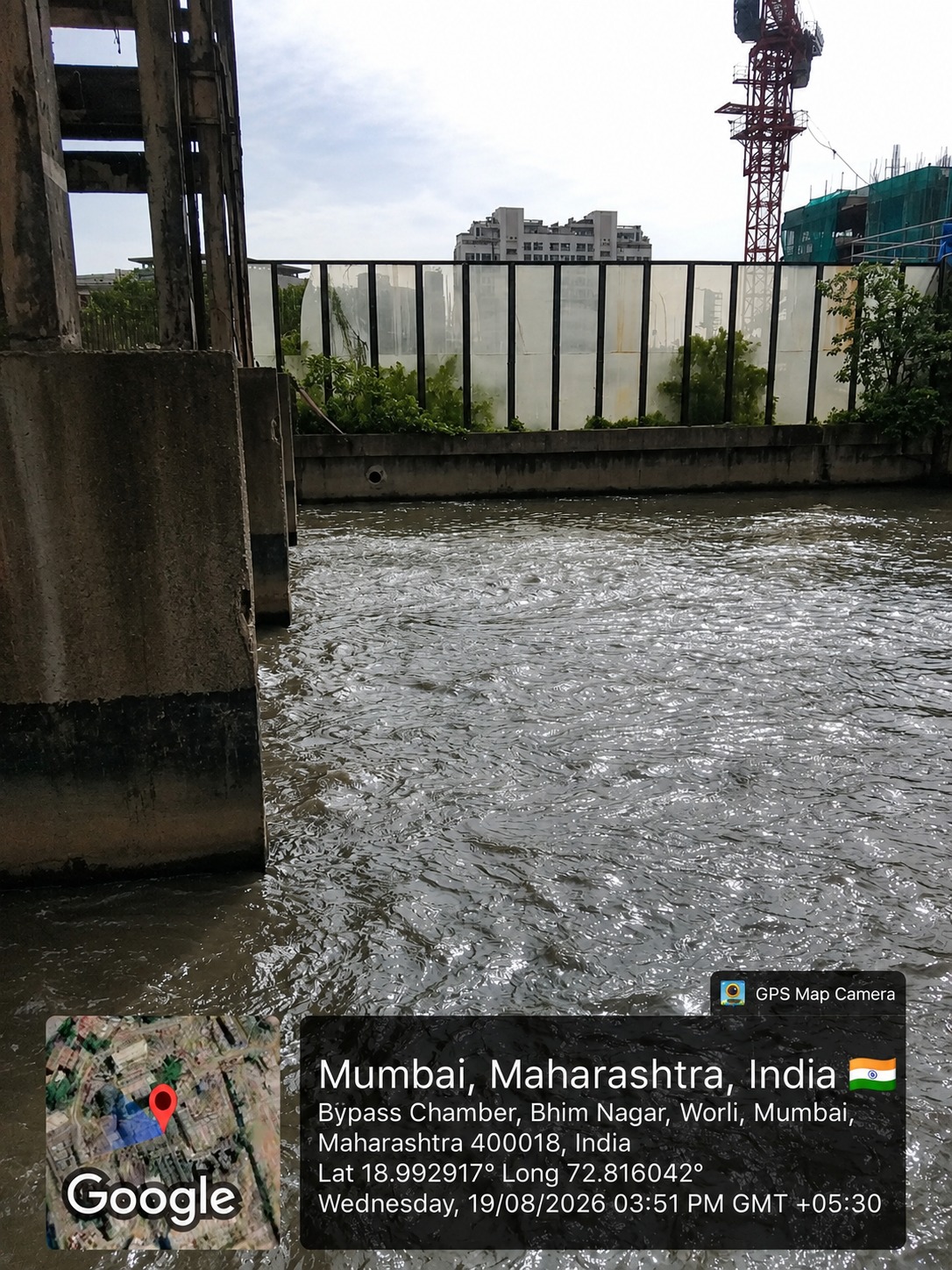
JM EnviroNet provides sustainable bioremediation solutions for lakes, rivers, ponds, wastewater systems, and contaminated environments. Our scientific and eco-friendly approaches help improve water quality, restore ecological balance, and support long-term environmental sustainability.
Bioremediation is a natural and environmentally responsible process that uses beneficial microorganisms, enzymes, and biological agents to break down pollutants and contaminants present in water bodies, soil, and wastewater systems. This process helps restore environmental health while reducing reliance on chemical treatments and costly remediation methods.
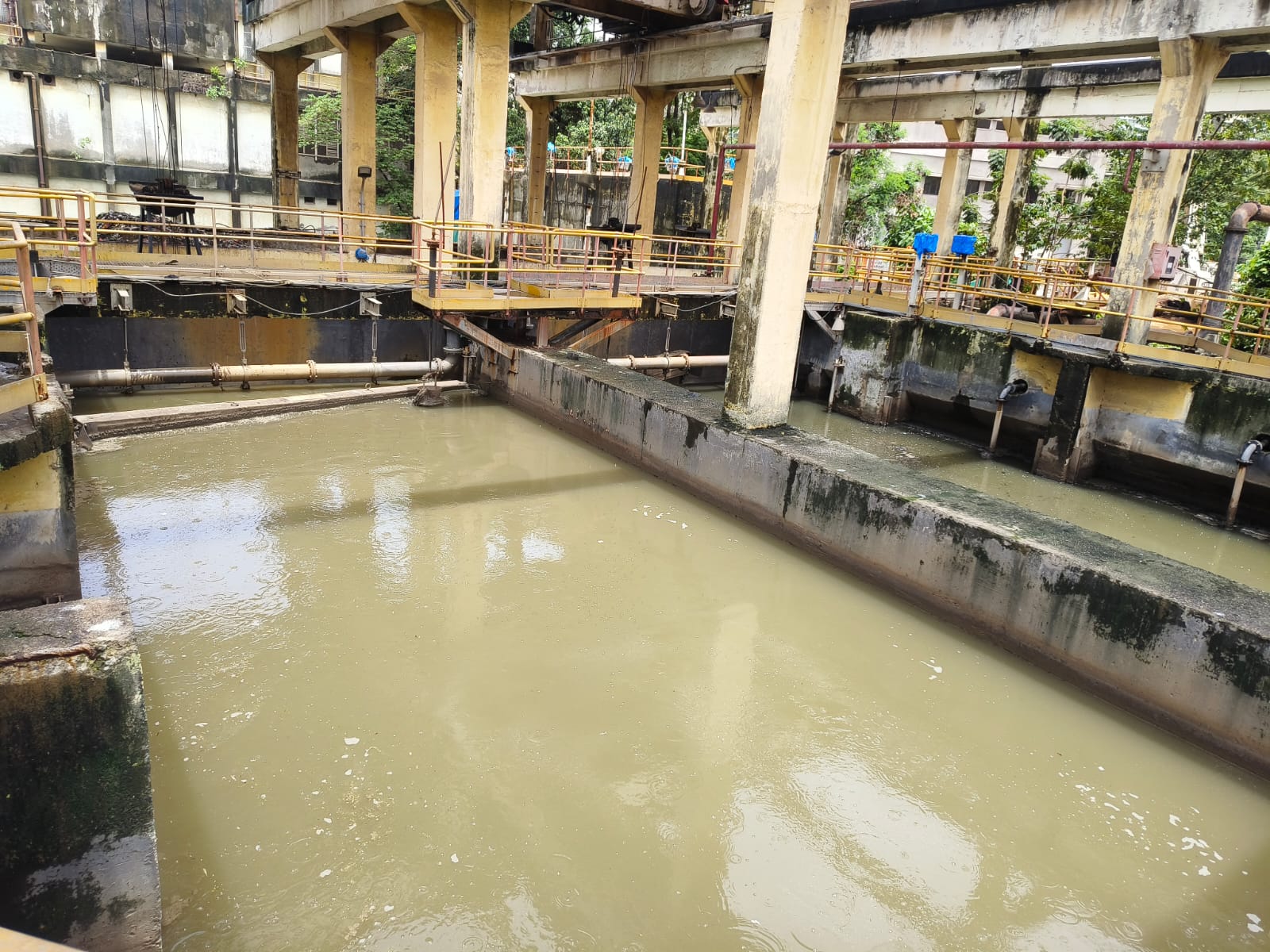
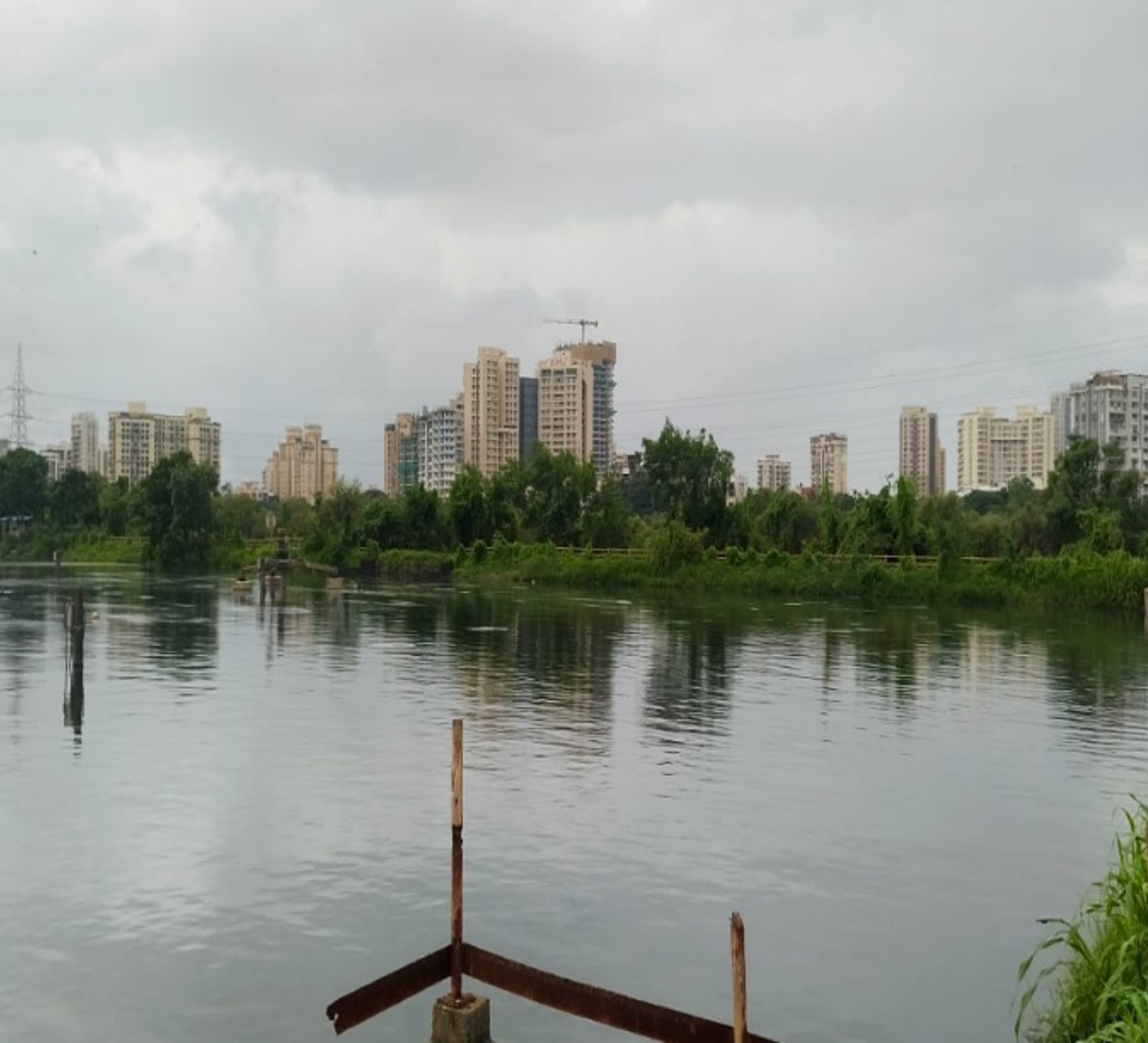
At JM EnviroNet, we implement scientifically proven bioremediation techniques to improve water quality, reduce sludge accumulation, eliminate foul odors, and enhance overall ecosystem performance.
Data-driven environmental restoration strategies backed by research and field expertise.
Natural biological treatment methods that protect ecosystems and biodiversity.
Successful implementation of lake, pond, and wastewater restoration projects.
Focused on sustainable improvements that continue benefiting communities over time.
At JM EnviroNet, we believe that successful bioremediation requires more than just treatment—it requires a well-planned, scientific, and sustainable restoration strategy. Our process begins with a comprehensive assessment of the site, where we evaluate water quality parameters, identify pollution sources, analyze ecological conditions, and understand the unique challenges affecting the water body.
Based on our findings, we develop a customized bioremediation plan tailored to the specific environmental conditions and restoration objectives of the project. Our experts carefully select the most effective biological solutions, treatment methodologies, and implementation techniques to maximize results while maintaining ecological balance.
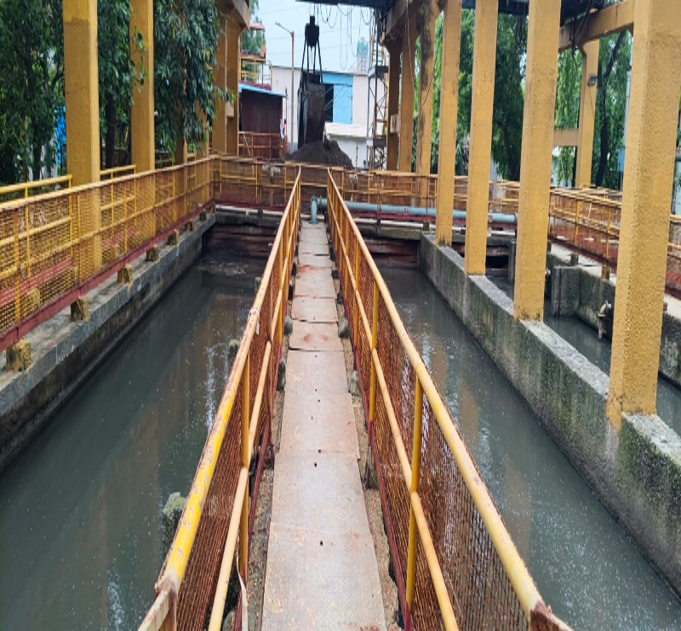
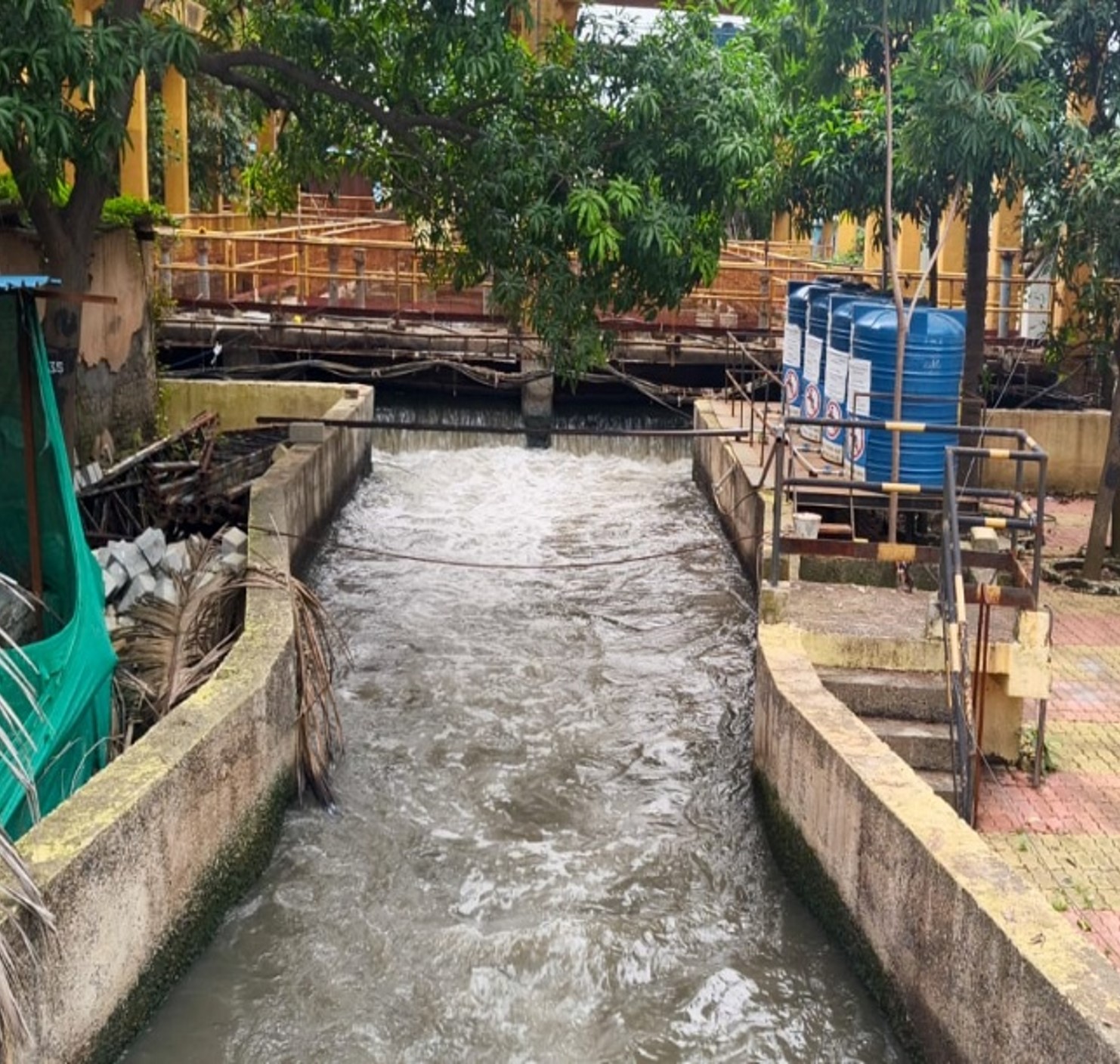
Once the restoration plan is finalized, we execute the bioremediation process using environmentally responsible technologies and proven treatment approaches. Throughout the project, our team continuously monitors water quality, biological activity, and overall ecosystem health to ensure the treatment is delivering measurable improvements.
Our commitment does not end with implementation. We conduct ongoing performance evaluations, optimize treatment strategies when required, and provide long-term monitoring support to ensure sustainable outcomes. This systematic approach enables us to restore water bodies effectively, improve environmental quality, enhance biodiversity, and create healthier ecosystems for future generations.
Detailed water quality analysis, pollution mapping and ecosystem evaluation.
Customized bioremediation strategies designed for sustainable restoration.
Application of biological treatment solutions and restoration techniques.
Continuous performance monitoring and environmental improvement.
"The JM EnviroNet team successfully transformed a heavily polluted water body into a cleaner and healthier ecosystem. Their scientific approach and continuous monitoring delivered results."
Bioremediation is an environmentally friendly process that uses naturally occurring microorganisms, bacteria, and biological agents to break down pollutants and contaminants in water bodies, soil, and wastewater systems. This helps restore environmental balance and improve overall ecosystem health.
Bioremediation can be applied to lakes, ponds, rivers, reservoirs, wetlands, wastewater treatment systems, and other water bodies affected by pollution, excessive organic waste, nutrient loading, or poor water quality.
Yes. Bioremediation is considered one of the safest and most sustainable restoration methods because it utilizes natural biological processes. It helps improve water quality while supporting aquatic ecosystems and biodiversity.
The duration varies depending on contamination levels, site conditions, remediation goals, and the selected treatment approach. Some projects may take a few months, while larger or more complex sites may require a longer remediation period.
Bioremediation is widely used in industries such as manufacturing, oil and gas, mining, chemical processing, waste management, transportation, agriculture, and municipal infrastructure where environmental contamination may occur.